6 Jun 2026
How Major Betting Operators Set Different Prices for International Fixtures and Domestic Contests
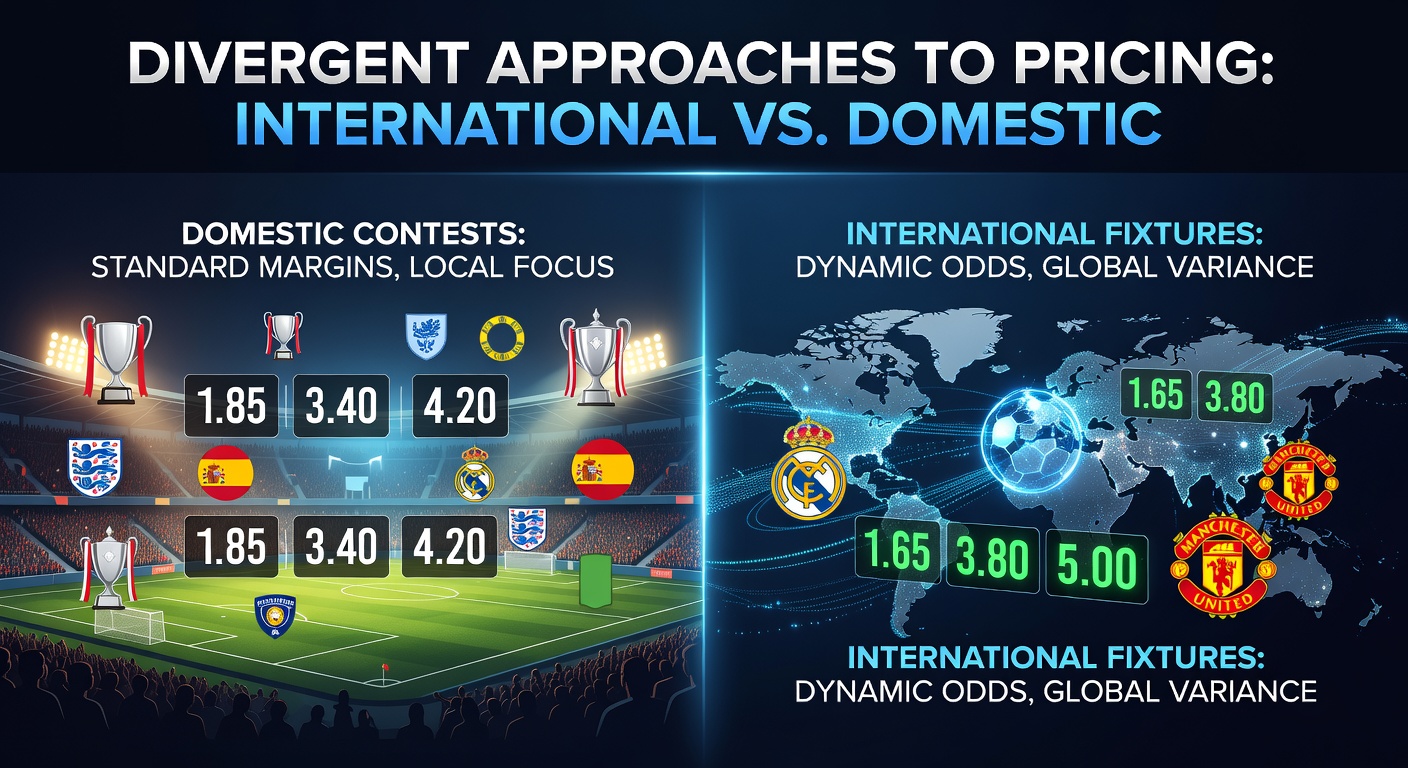
Betting operators across major markets apply distinct pricing frameworks when they handle international fixtures compared to domestic contests, and these differences emerge most clearly in margin structures, liquidity adjustments, and data integration methods. International events often draw wider participation from global customers, which leads operators to tighten margins in some cases while widening them in others depending on the sport and timing. Domestic leagues, by contrast, benefit from deeper historical datasets that allow sharper line movements based on localized patterns.
Core Pricing Variables Across Operators
Research from the Australian Gambling Research Centre shows that operators adjust vig percentages according to the volume of sharp money entering international markets, whereas domestic contests receive more consistent treatment because local bettors tend to favor familiar teams and venues. Pinnacle, for instance, maintains lower margins on high-profile international fixtures to attract professional syndicates, while several European-facing operators increase hold percentages on lower-tier domestic matches where recreational volume dominates. These choices reflect risk allocation strategies rather than uniform policies.
Data from the Nevada Gaming Control Board indicates that international fixtures in June 2026, including World Cup qualifiers and continental tournaments, prompt operators to recalibrate limits more frequently than they do for routine domestic rounds. Operators monitor cross-border payment flows and currency fluctuations that rarely affect domestic pricing models, which creates additional layers of adjustment in real time.
Football Markets and Operator Divergence
Take one major operator that prices Champions League matches with tighter spreads on over/under goals because international schedules produce more standardized team preparations, while the same operator widens spreads on domestic cup ties where squad rotation introduces greater uncertainty. Another platform applies the opposite approach, tightening domestic league lines because repeated head-to-head data allows precise modeling, whereas international friendlies receive broader margins due to limited sample sizes. Observers note that these splits appear consistently across multiple operators during overlapping seasons.
Tennis and Basketball Comparisons
Grand Slam events, which carry international status, receive pricing that accounts for surface-specific variables and travel fatigue across time zones, leading some operators to shade totals differently than they do for domestic ATP or WTA events. Basketball presents a parallel pattern where NBA international showcases, such as those scheduled around June 2026 exhibition windows, prompt operators to adjust player prop limits more aggressively than they adjust for regular-season domestic games. The underlying driver remains the availability of granular tracking data that domestic leagues supply in greater volume.
Risk Management and Liquidity Factors
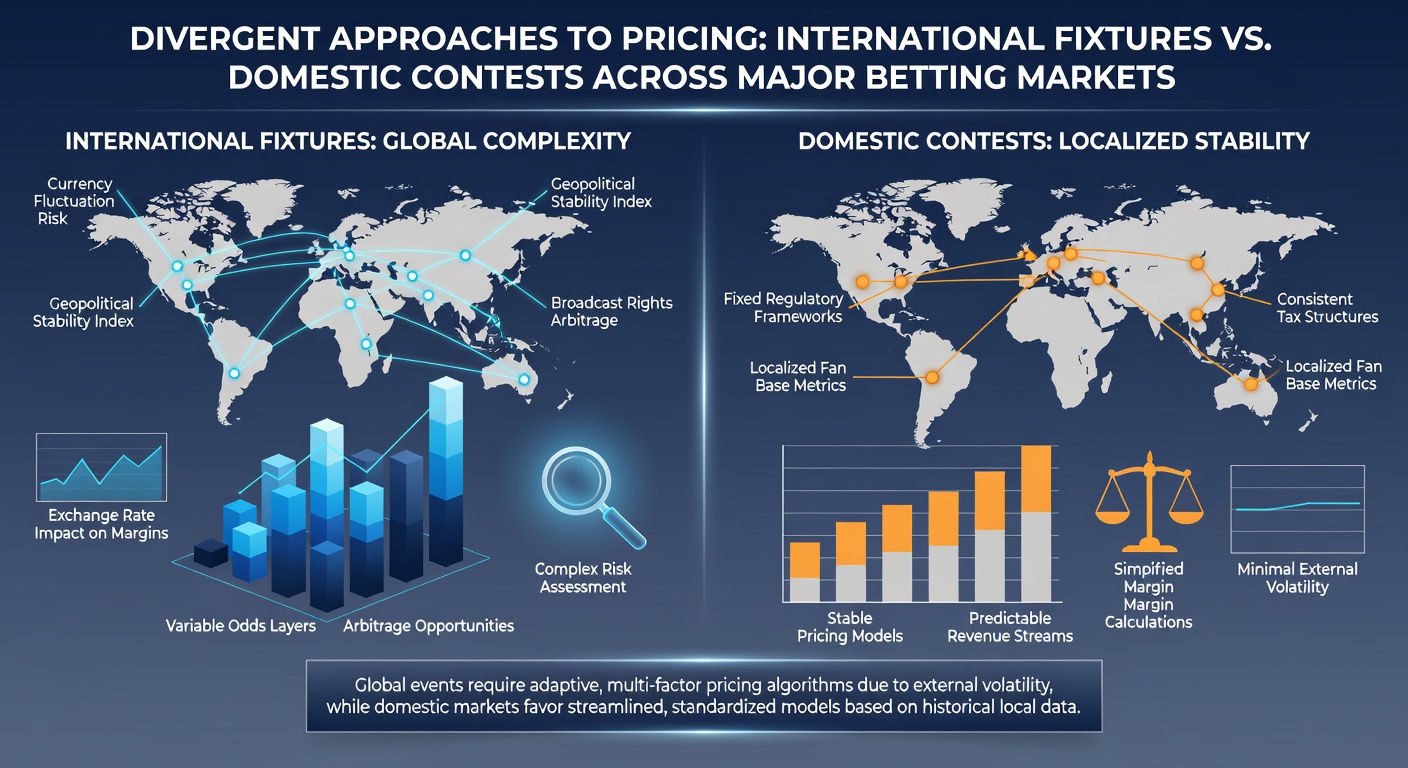
Operators balance exposure by shifting lines faster on international fixtures when sharp action arrives from multiple jurisdictions, whereas domestic contests allow slower adjustments because liquidity pools remain more predictable within single markets. One study published by the University of Nevada Reno gaming laboratory found that international events generate wider initial line spreads across operators precisely because syndicates can exploit small discrepancies before lines converge. Domestic pricing, by comparison, stabilizes earlier because local bettors provide steadier volume without the same cross-operator arbitrage opportunities.
What's interesting is how these approaches intersect during periods of high international activity. Operators handling both categories simultaneously must allocate risk capital differently, often reserving larger limits for domestic leagues where historical variance models carry higher confidence levels. International fixtures, especially those clustered around major tournaments, require dynamic hedging that domestic schedules rarely demand at the same scale.
Conclusion
Operators continue to refine these divergent approaches as global betting volumes grow and regulatory frameworks evolve across jurisdictions. The distinction between international and domestic pricing remains a core operational feature rather than a temporary market condition, driven by measurable differences in data depth, customer composition, and liquidity patterns. Those who track line movements across multiple operators observe these patterns repeat across football, tennis, basketball, and other major sports throughout each calendar year.