18 Jul 2026
Thin Air and Betting Lines: How Elevation Reshapes Over-Under Thresholds in High-Altitude Basketball and Mountain Racecourses
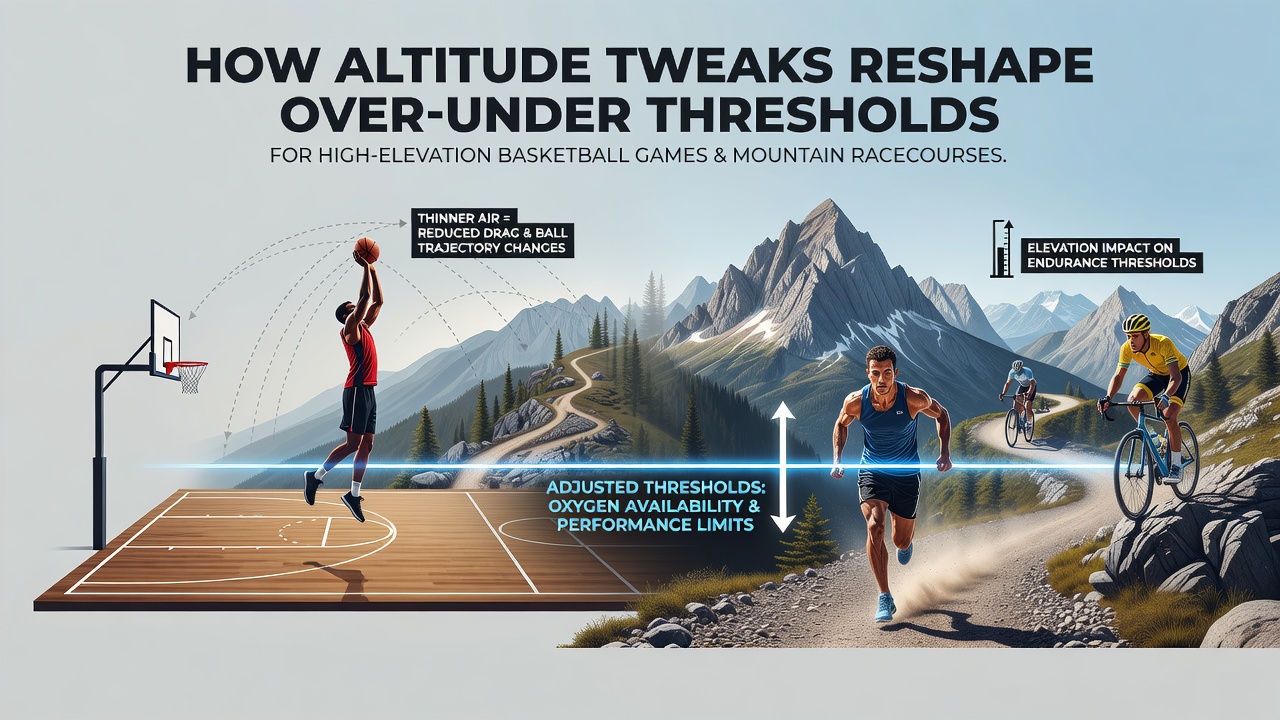
High-elevation venues alter the physical conditions under which basketball games and mountain horse races unfold, and these changes directly influence the totals markets that bookmakers set for over-under wagers. Researchers have documented how reduced air density at altitude decreases drag on a basketball while simultaneously affecting equine respiratory efficiency during races, prompting adjustments in expected scoring outputs and finishing times. Data from venues situated above 5,000 feet show measurable shifts in game totals and race durations that betting operators incorporate into their lines each season.
Physics of Reduced Air Density in Basketball
Basketballs travel farther and with less resistance when launched in thinner atmospheres, a phenomenon observed consistently at facilities such as those in Denver and Mexico City. Studies conducted by sports science teams at Colorado State University indicate that three-point attempts convert at higher rates under these conditions because the ball experiences approximately 20 percent less drag compared with sea-level environments. Consequently, teams average between four and seven additional points per game when playing at these elevations, a pattern that has held across multiple NBA and collegiate seasons through July 2026.
Bookmakers respond by raising the over-under threshold for games scheduled at high-altitude sites. Lines that might sit at 228.5 points for a typical matchup increase to 235 or higher when both squads compete in thinner air. This recalibration accounts for faster transition play and improved shooting percentages rather than any change in team personnel or strategy. Observers note that live betting markets often see rapid movement on the over side once early-quarter data confirms elevated scoring rhythms.
Equine Performance at Mountain Racecourses
Horse racing at elevation presents a different set of variables centered on oxygen uptake and stamina. Tracks located in regions such as the Colorado Rockies or certain Andean circuits experience lower partial pressures of oxygen that can shorten the distance a thoroughbred maintains peak speed. Records compiled by the Jockey Club and independent racing analysts reveal that average winning times at 7,000-plus feet lengthen by 1.2 to 2.8 seconds over standard 6-furlong sprints compared with equivalent races at lower elevations.
These adjustments translate into lower expected totals for races where speed figures form the basis of over-under wagers. Operators lower the projected number of horses finishing within a set margin of the winner or adjust exotic totals that incorporate place and show payouts. Trainers and owners report that horses with prior experience at altitude maintain better respiratory recovery between starts, a factor reflected in morning-line odds and subsequent market movements.
Market Calibration Across Both Sports
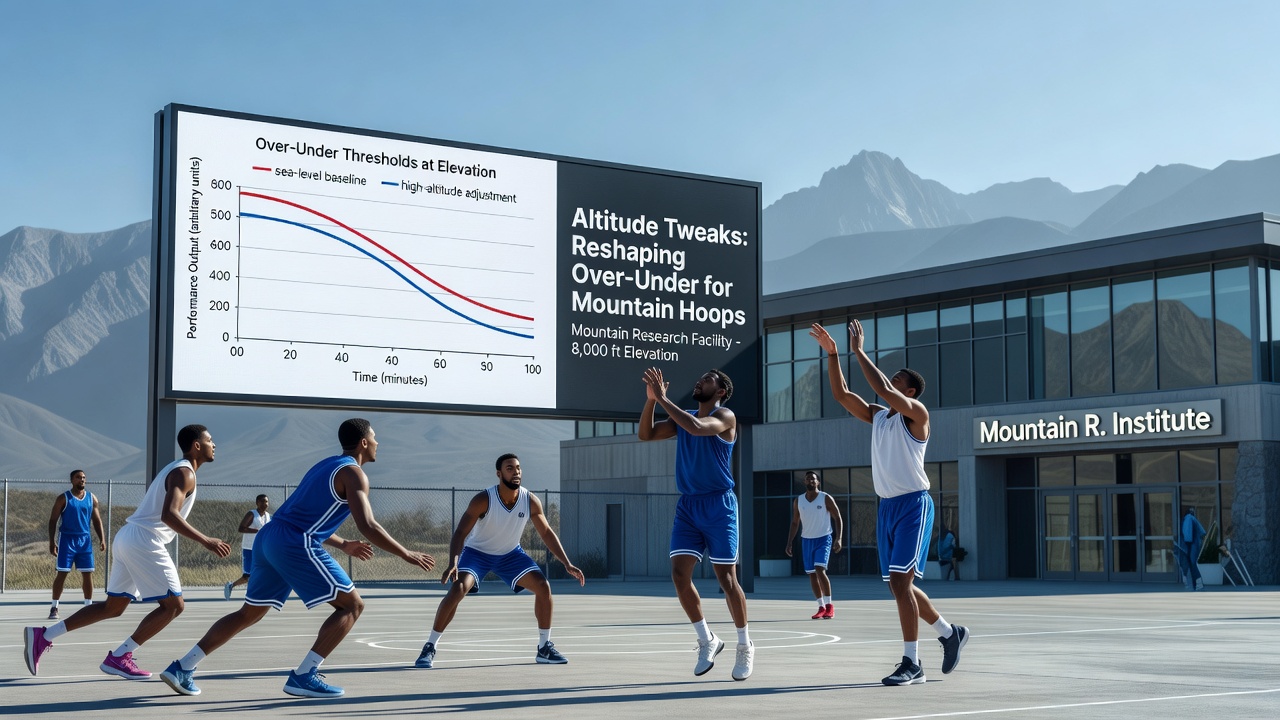
Betting exchanges and traditional bookmakers integrate altitude data into their models through proprietary algorithms that weigh historical scoring averages and pace metrics. In basketball, this produces totals lines that shift upward by roughly three points for every 1,000 feet of elevation gain above a baseline of 3,000 feet. Horse-racing markets apply parallel corrections, tightening place-payout thresholds when field sizes compete at elevation because fewer runners sustain the pace required to challenge the leader.
Regulatory bodies in multiple jurisdictions, including the Nevada Gaming Control Board and the Australian Racing Integrity Board, require operators to disclose the data sources used for line construction when elevation is a variable. These disclosures help maintain transparency while allowing markets to reflect verified performance differentials rather than anecdotal reports.
Examples From Recent Seasons
During the 2025-2026 basketball campaign, several high-elevation conference games produced totals that exceeded preseason projections by double-digit margins. One contest between teams from lower-altitude programs finished at 248 points against a posted total of 231.5, illustrating how quickly the market incorporates altitude effects once results accumulate. Racing meets at 6,500 feet recorded similar patterns, with photo-finish margins narrowing because sustained speed became harder to maintain, prompting adjustments to exacta and trifecta totals offered by multiple platforms.
Industry reports from the European Gaming and Betting Association highlight that operators who fail to account for these environmental factors experience higher liability on over wagers in basketball and under wagers in racing. Automated systems now flag venue elevation as a primary input alongside weather, travel fatigue, and rest differentials.
Conclusion
Altitude continues to function as a measurable input that reshapes expected outcomes in both basketball scoring and equine finishing times. Bookmakers adjust over-under thresholds accordingly, using empirical data gathered across multiple seasons to maintain balanced markets. As competitions proceed through July 2026 and beyond, the same physical principles will guide line construction at any venue where reduced air density alters the underlying dynamics of play.