8 Jun 2026
Weather's Influence on Live Line Movements in Outdoor Sports Fixtures
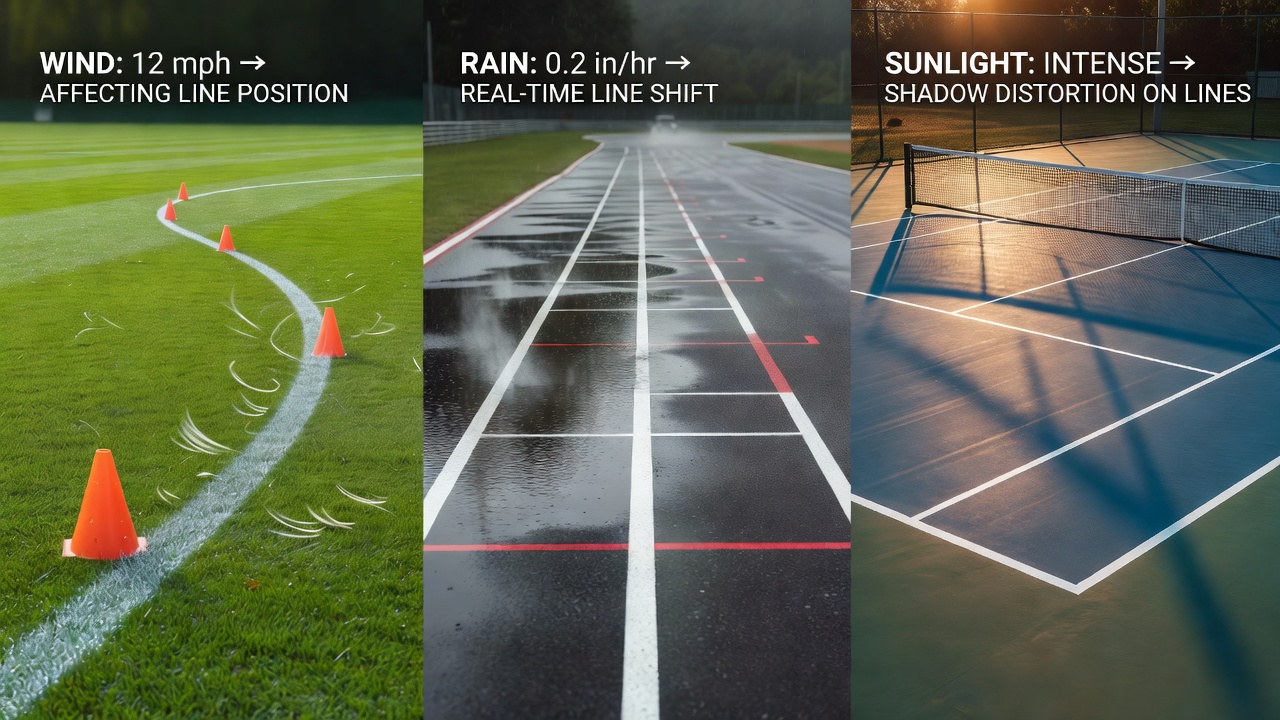
Atmospheric conditions exert measurable effects on real-time betting line adjustments across outdoor venues, where shifts in precipitation, wind speed, and temperature prompt bookmakers to recalibrate odds during live events. Data from multiple sports indicate that these environmental factors alter player performance metrics, team strategies, and event outcomes in ways that directly influence market movements on football pitches, racing circuits, and tennis courts. In June 2026, with the FIFA World Cup underway alongside Royal Ascot and Wimbledon, observers note increased scrutiny of weather data feeds integrated into odds platforms.
Precipitation Effects on Football Pitch Dynamics
Heavy rainfall during matches leads to slower ball roll and reduced passing accuracy, which prompts immediate line adjustments on total goals and match winners as algorithms process updated pitch conditions. Research from sports analytics groups shows that rain increases the likelihood of lower-scoring games by 15 to 20 percent in professional leagues, causing over/under markets to drift toward unders within minutes of precipitation onset. Bookmakers monitor radar systems and on-site reports to revise spreads, particularly in summer tournaments where afternoon storms disrupt schedules and alter team selections mid-game.
Wind and Track Conditions in Racing Circuits
Variable winds and surface moisture on racing tracks modify horse speeds and jockey tactics, resulting in rapid revisions to win probabilities and place payouts during events. Studies from meteorological and racing authorities demonstrate that headwinds above 20 kilometers per hour can extend race times by several seconds, shifting favorites in real-time markets as data streams update. During June 2026 festival meetings, track officials provide continuous updates that integrate with betting systems to reflect changing ground conditions, where soft surfaces favor certain runners and trigger corresponding odds drifts across win and each-way options.
Temperature and Wind Impacts on Tennis Courts
Elevated temperatures combined with crosswinds on open-air courts affect serve consistency and rally durations, prompting adjustments in set totals and player performance props as matches progress. Evidence from performance databases reveals that wind speeds exceeding 15 kilometers per hour correlate with higher error rates on second serves, which influences live over/under lines on games and tiebreaks. In June 2026 at major grass-court events, officials track humidity levels alongside temperature readings, supplying data that enables rapid recalibration of match winner odds when players adapt their strategies to prevailing conditions.

Integrated Data Systems and Market Responses
Betting operators employ automated feeds from weather stations and satellite imagery to detect environmental changes before they fully manifest in play, allowing preemptive line movements that reflect projected impacts on scoring rates and finishing positions. According to reports from the Australian Bureau of Meteorology, integration of localized forecasts with historical performance data improves prediction accuracy for outdoor events by accounting for variables such as barometric pressure shifts. Those monitoring multiple sports note that simultaneous weather events across venues create correlated line adjustments, where a single storm system might affect parallel fixtures in football, racing, and tennis.
Case Examples from Recent Seasons
One documented instance involved a European league match where sudden downpours caused total goals lines to move from 2.8 to 2.4 within the first half, as statistical models incorporated reduced shot conversion rates. In thoroughbred racing, another example showed a circuit experiencing gusty conditions that lengthened odds on front-runners by several points after initial breaks, while closers shortened as ground softened. Tennis matches at clay venues have demonstrated similar patterns, with heat advisories leading to extended set durations and corresponding drifts in game totals during afternoon sessions.
Conclusion
Weather data integration continues to refine real-time line movements in outdoor sports by supplying precise inputs that reflect performance variations across football, racing, and tennis. As events unfold in June 2026 and beyond, these environmental influences remain central to market dynamics, supported by advancing sensor networks and analytical frameworks from sources such as the Australian Bureau of Meteorology and university-led sports science studies.